
For professionals
Death Bed Questions in your practice.
A facilitator’s guide for professionals who support people through illness, loss and the end of life.

Made for the people who sit beside others.
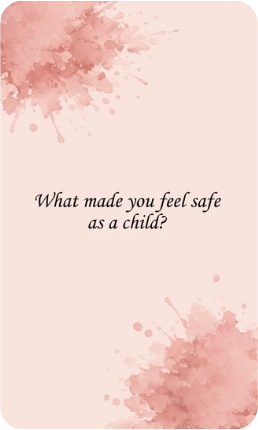

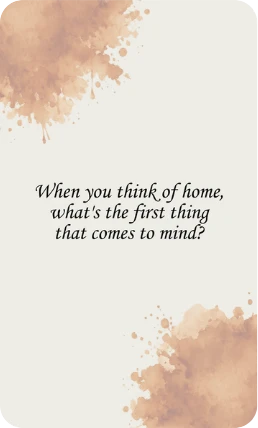
What is Death Bed Questions?
Do you hold space for people facing the hardest conversations of their lives?
This guide shows how the Death Bed Questions decks can be used in one-to-one and group settings. It uses the same cards as every other deck, with added structure, consent and care.
The decks are a tool for reflection, conversation and meaning-making. They are not a clinical or diagnostic tool.
How it can be used
Six kinds of work, and the decks that suit them.
Life review
Looking back over a whole life, its turning points and what it has meant.
Legacy and memory work
Capturing stories, values and wishes to pass on to the people who remain.
Grief support
Giving space to what has been lost, and what is still being carried.
Relationship reflection
Helping people say what matters to the people they love, while they can.
End-of-life preparation
Opening gentle conversations about wishes, fears and what comes next.
Meaning-making
Exploring values, beliefs and purpose, and what a life has stood for.
Find your role
What could it look like in your setting?
Choose the role closest to yours to see how Death Bed Questions might fit into your work. These are possibilities, not prescriptions: you know your setting best.
I work as a…
Choose a role above to see how a session might look.
As a therapist
How you might introduce it
You might offer the cards as an optional, gentle way into a session, inviting a client to look through a deck and choose a question that draws them, rather than one you choose for them.
Conversations that may be most relevant
Identity, relationships, memory and meaning
What a session could look like
- Check inBegin as you usually would, and ask whether they’d like to try a card today.
- ChooseThe client picks a card, or chooses a theme that feels right.
- ReflectLeave space before anything is said.
- ExploreFollow what emerges, at their pace.
- GroundClose the session gently, as you would any other.
Ways to weave it into your practice
- Use a single card as an opening when a client finds it hard to begin.
- Return to one question over several sessions as themes deepen.
- Suggest a card for reflective journalling between sessions.
Using it sensitively
- Let the client choose, skip or put a card back at any time.
- Slow down when a question touches something raw.
- Keep the cards within your existing therapeutic frame and contract.
As a counsellor
How you might introduce it
You might offer the cards as one option among others, explaining that there are no right answers and that any card can be passed.
Conversations that may be most relevant
Loss, regret, relationships and change
What a session could look like
- Agree a focusTalk about what the client would like to explore.
- Pick a themeChoose a deck that fits, such as loss or relationships.
- One questionWork with a single card at a time.
- Reflect backListen, and gently reflect what you hear.
- CloseBring the session to a calm, contained end.
Ways to weave it into your practice
- Bring in a card when a conversation feels stuck.
- Match a themed deck to the focus of a session.
- Invite a client to take a question home to sit with.
Using it sensitively
- Let the client set the pace and depth.
- Don’t push for more than they want to share.
- Have a grounding exercise ready for the end of the session.
As a social worker
How you might introduce it
You might introduce a card informally during a visit, as a way to get to know the person behind the paperwork, their history, their family and what matters to them.
Conversations that may be most relevant
Family, history, wishes and what matters most
What a session could look like
- Settle inTake a moment before the formal part of the visit.
- Offer a cardMake clear it’s entirely optional.
- ListenLet the person lead the conversation.
- Note what mattersWith their permission, record wishes or preferences.
- CloseThank them for sharing.
Ways to weave it into your practice
- Use Roots & Heritage questions to understand family history and connections.
- Open conversations about wishes and preferences for the future.
- Suggest selected cards to families to help them talk together.
Using it sensitively
- Be mindful of the power in your role, and keep the cards separate from assessment.
- Make it clear that saying no will never affect their support.
- Follow your safeguarding procedures if something concerning is shared.
As a healthcare professional
How you might introduce it
You might leave a deck with a patient or family, or offer a single card during a quieter moment of care, as a way to talk about more than symptoms.
Conversations that may be most relevant
Love, legacy, wishes and what matters most
What a session could look like
- Find a calm momentChoose a time when there’s no rush.
- Offer one cardA single question is often enough.
- ListenGive your full attention, even briefly.
- Notice wishesPay attention to anything about what matters most to them.
- Hand overShare anything important with the wider care team.
Ways to weave it into your practice
- Keep a deck on the ward, in the hospice or in the family room.
- Suggest families use the cards together during visits.
- Use a card to open conversations about what matters most, alongside care planning.
Using it sensitively
- Be mindful of fatigue and pain; one question may be plenty.
- Stay within your clinical role and boundaries.
- Refer on to psychological or spiritual care when needed.
As a chaplain or spiritual carer
How you might introduce it
You might offer the cards as a companion to presence, an invitation to reflect on meaning, belief and what has given a life its shape.
Conversations that may be most relevant
Meaning, belief, forgiveness and legacy
What a session could look like
- Be stillBegin with a moment of quiet.
- ChooseThe person draws a card or picks a theme.
- ReflectAllow time to sit with the question.
- ShareListen without steering.
- CloseEnd with a blessing, a prayer or silence, as they wish.
Ways to weave it into your practice
- Use Meaning & Purpose questions for reflection, whatever someone’s faith.
- Offer a card alongside ritual, prayer or a quiet visit.
- Support families gathered at a bedside to talk together.
Using it sensitively
- Honour every belief, and none.
- Don’t steer towards particular answers.
- Follow the person’s lead on how much they want to explore.
As a carer
How you might introduce it
You might keep a deck nearby and offer a question during an ordinary moment, over a cup of tea, on a quiet afternoon or while sitting together.
Conversations that may be most relevant
Childhood, family, home and memory
What a session could look like
- Sit togetherChoose a relaxed, comfortable moment.
- Pick a cardChoose one together, or let them choose.
- ListenEnjoy the story; there’s no need to fix anything.
- Share backOffer a memory of your own if it feels right.
- End warmlyThank them for sharing.
Ways to weave it into your practice
- Make one question part of a daily or weekly routine.
- Write down stories to share with family later.
- Use Childhood & Becoming and Roots & Heritage for gentle reminiscence.
Using it sensitively
- Watch for tiredness or distress, and stop whenever needed.
- Start with lighter questions.
- Pass any concerns on to the care team or family.
As another practitioner
How you might introduce it
Whether you’re a death doula, celebrant, coach, group facilitator or activities coordinator, you might introduce the cards as an invitation to a conversation that’s often hard to start.
Conversations that may be most relevant
Legacy, love, memory and meaning
What a session could look like
- Set intentionsAgree ground rules and why you’re gathered.
- ChooseDraw a card, or pass the deck around a circle.
- ReflectGive everyone time to think.
- SharePassing is always allowed.
- CloseFinish with a shared moment or ritual.
Ways to weave it into your practice
- Use the cards in groups, memory cafés or workshops.
- Use questions as prompts for legacy projects, letters or eulogies.
- Offer a deck for families to keep using at home.
Using it sensitively
- Stay within your training and experience.
- Agree group ground rules before you begin.
- Know where to signpost if someone needs more support.
Principles for safe practice
Essential for everyone, whatever your role.
However you use the cards, these principles help keep every conversation safe, respectful and in the person’s control.
Create safety
Build emotional and psychological safety before the first card is drawn.
Respect consent and boundaries
Explain what the cards are, and agree together whether and how to use them.
Know when to pause or stop
Watch for signs that someone needs a break, and make stopping easy.
Be mindful of grief, trauma and vulnerability
Questions about a life can touch deep places. Go gently.
Stay within your role
Work within the boundaries of your professional role and training.
Signpost when needed
Know when to refer on or seek additional support, and where to find it.
Let them stay in control
The person being supported decides what, and how much, they share.
The facilitator’s role is to hold space, not diagnose, interrogate or advise.
A note on responsibility
Death Bed Questions is a conversation resource. It is not a substitute for professional judgement, training, safeguarding procedures or legal responsibilities. Each practitioner remains responsible for using it safely, appropriately and within the standards and requirements of their own profession and setting.
These questions can act as a doorway to healing, reconciliation and peace.
Using Death Bed Questions in your practice, or thinking about it? We’d love to hear from you.